


Energy Anatomy
Taking our understanding of fascia a step deeper.
From the tissues we touch to the signals and fields we seek to understand.
Discover the five webinarsA familiar starting point.
New questions.
We have explored fascia through movement, touch and the water within its tissues. Energy Anatomy takes the next step: asking how vibration, biological signals and fields might help us understand the living body.
We bring research, historical experiments and open questions into conversation with the experience of practising reflexologists. Along the way, we consider the possibility of subtler influences and the role of consciousness.
Five interconnected themes. Each episode stands on its own; together, they offer a wider perspective.
Choose your next question.
Follow your curiosity. Join individual webinars or take the whole journey.
Standard fee: €35 per episode.
Member discounts apply according to your plan.
Can’t attend live? A replay is available.
Access ranges from 7 days to unlimited, depending on membership.
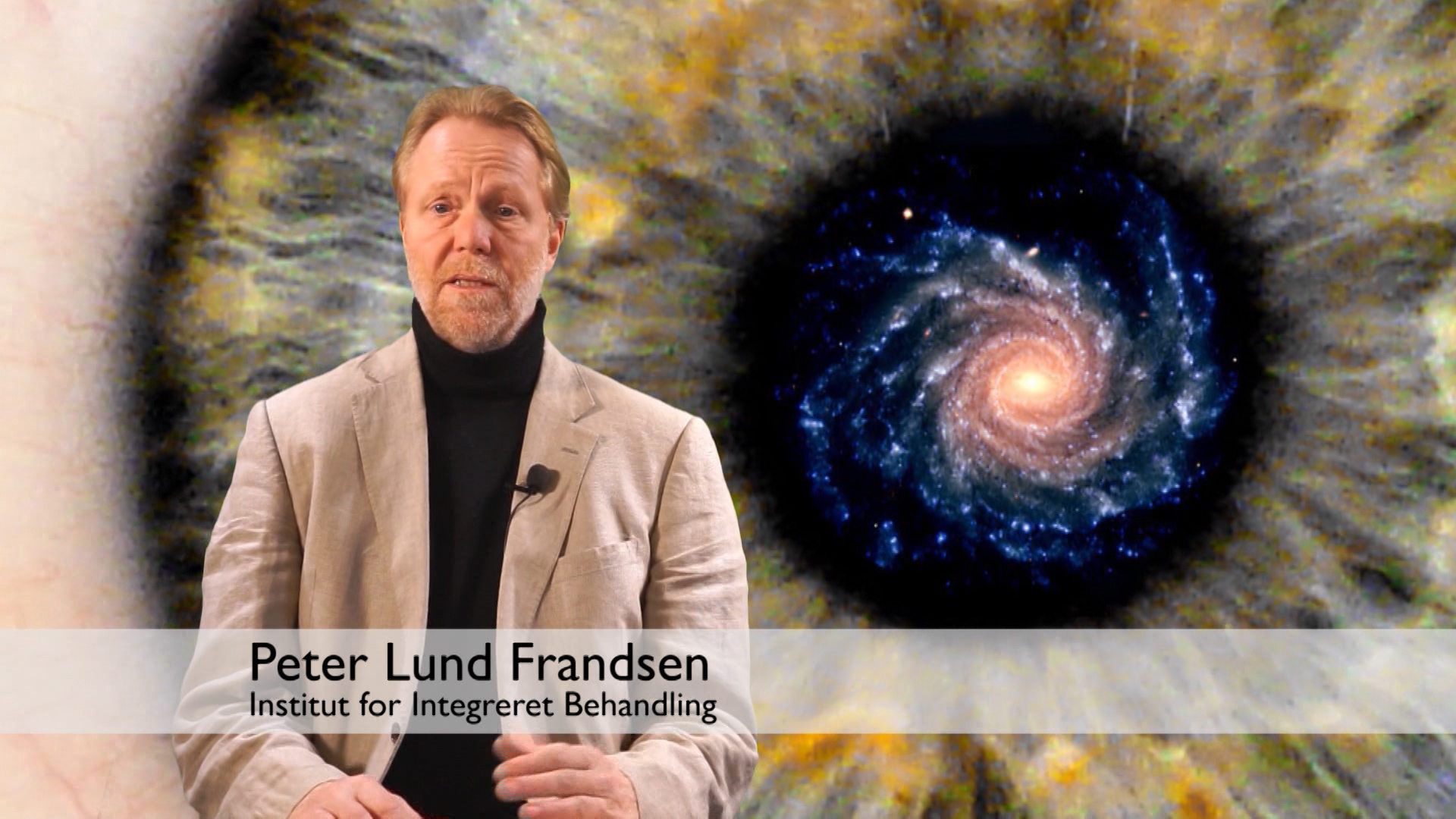
Peter Lund Frandsen
Co-founder of Touchpoint
International reflexology educator
For over 40 years, Peter has investigated ideas about energy and the living body, drawing on sources both old and new.
His curiosity centres on a question familiar to many reflexologists: how might we understand our work at a physiological and biophysical level?
Energy Anatomy brings that continuing investigation into five short webinars, with demonstrations, visual examples and space for new perspectives.
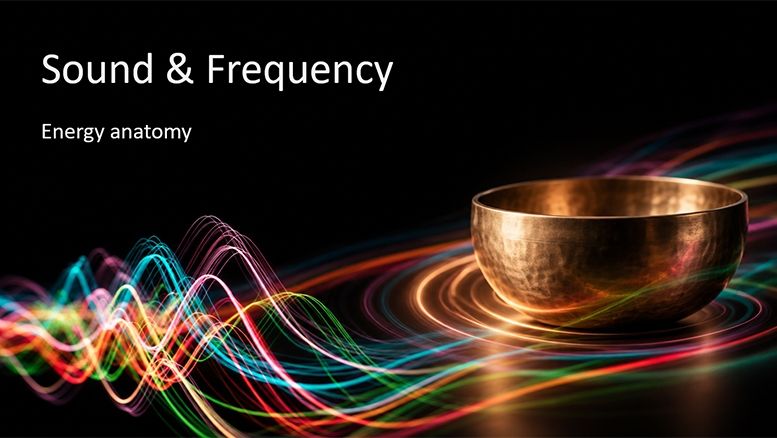
Find your webinarSound & Frequency
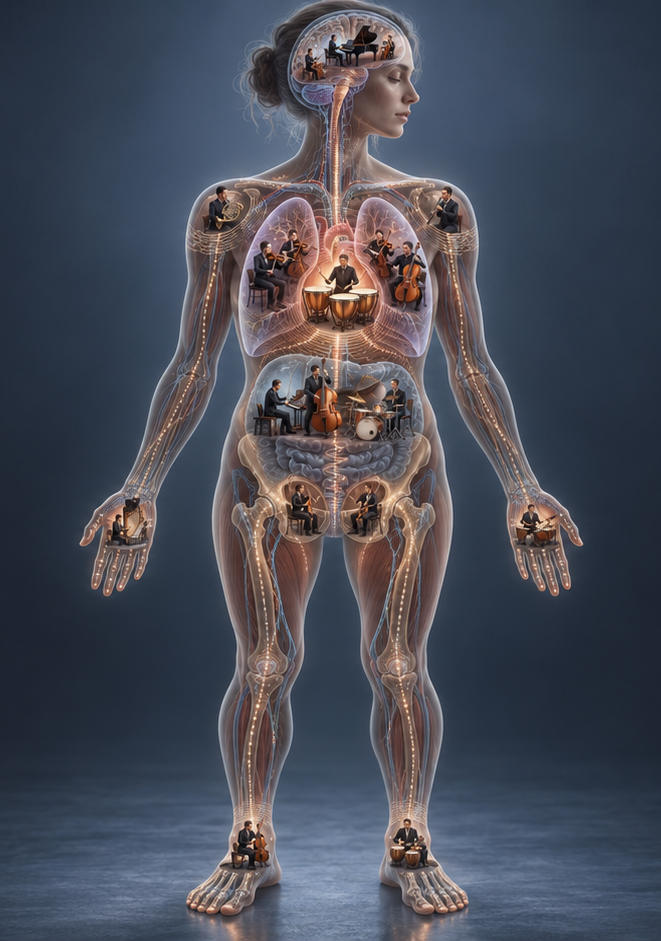
What if we understood the body as an orchestra?
A closer look
A note becomes a melody through its relationship with other notes. Could sound offer a useful way to think about the coordination of the living body?
Peter introduces vibration, harmonics and resonance through demonstrations and the idea of orchestras within orchestras. We consider how these principles can illuminate questions about biological rhythm and organisation.
What we will investigate
- Frequency, wavelength and the harmonic relationships we can hear.
- Resonance, interference and entrainment.
- Cymatics: when vibration becomes a visible pattern.
- Biological rhythms and the idea of a coherent whole.
Why it matters in your practice
Develop a language for thinking about rhythm, relationship and coordination during a reflexology session. The emphasis is on understanding sound and vibration, rather than learning a sound-treatment protocol.
Part of the Energy Anatomy series. You can follow this webinar independently.
Explore the full seriesMore from Energy Anatomy
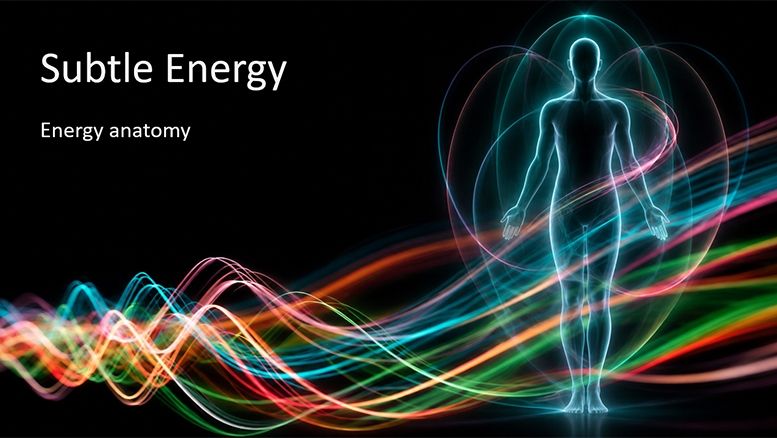
Subtle Energy
Could there be more to the body’s energy than we currently know how to measure?
A closer look
Unusual observations have inspired generations of researchers to question familiar explanations. What can we learn from their experiments—and how should we interpret them?
We meet Reichenbach, Reich, Kozyrev and Tiller, considering their different proposals and the observations behind them. Could “subtle energy” describe one phenomenon, several phenomena, or ideas that need to be understood separately?
What we will investigate
- Historical experiments and the questions they raised.
- Sensitivity, intention and proposed influences on matter.
- What the observations suggest, and what remains unresolved.
- Touch, attention and therapeutic presence.
Why it matters in your practice
Reflect on experiences from your treatment room and find meaningful, honest ways to discuss energy with clients, while distinguishing observations from possible explanations.
Part of the Energy Anatomy series. You can follow this webinar independently.
Explore the full seriesMore from Energy Anatomy
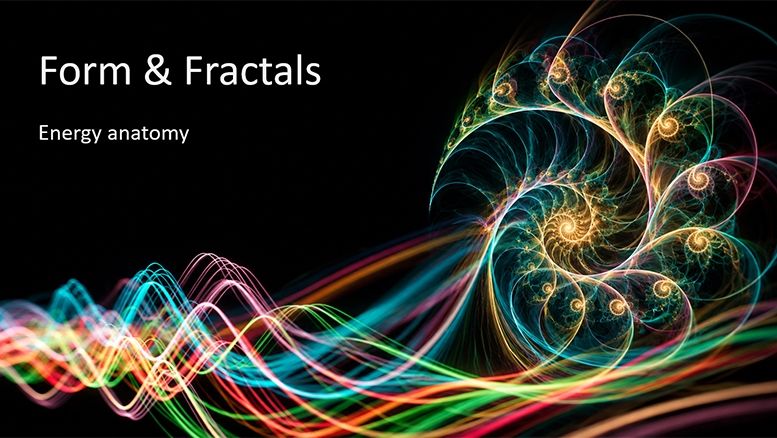
Form & Fractals
The patterns that shape the living body.
A closer look
Why do living systems so often branch, spiral and repeat patterns at different scales? And how does the form of a tissue relate to what it does?
Through visual examples and selected experiments, Peter examines biological geometry and the emergence of form. We connect physical forces and bioelectric signalling with questions about how cells and tissues become organised.
What we will investigate
- Fractals, branching and patterns across scales.
- Spirals and Fibonacci patterns in nature.
- Physical forces, biological signals and the emergence of form.
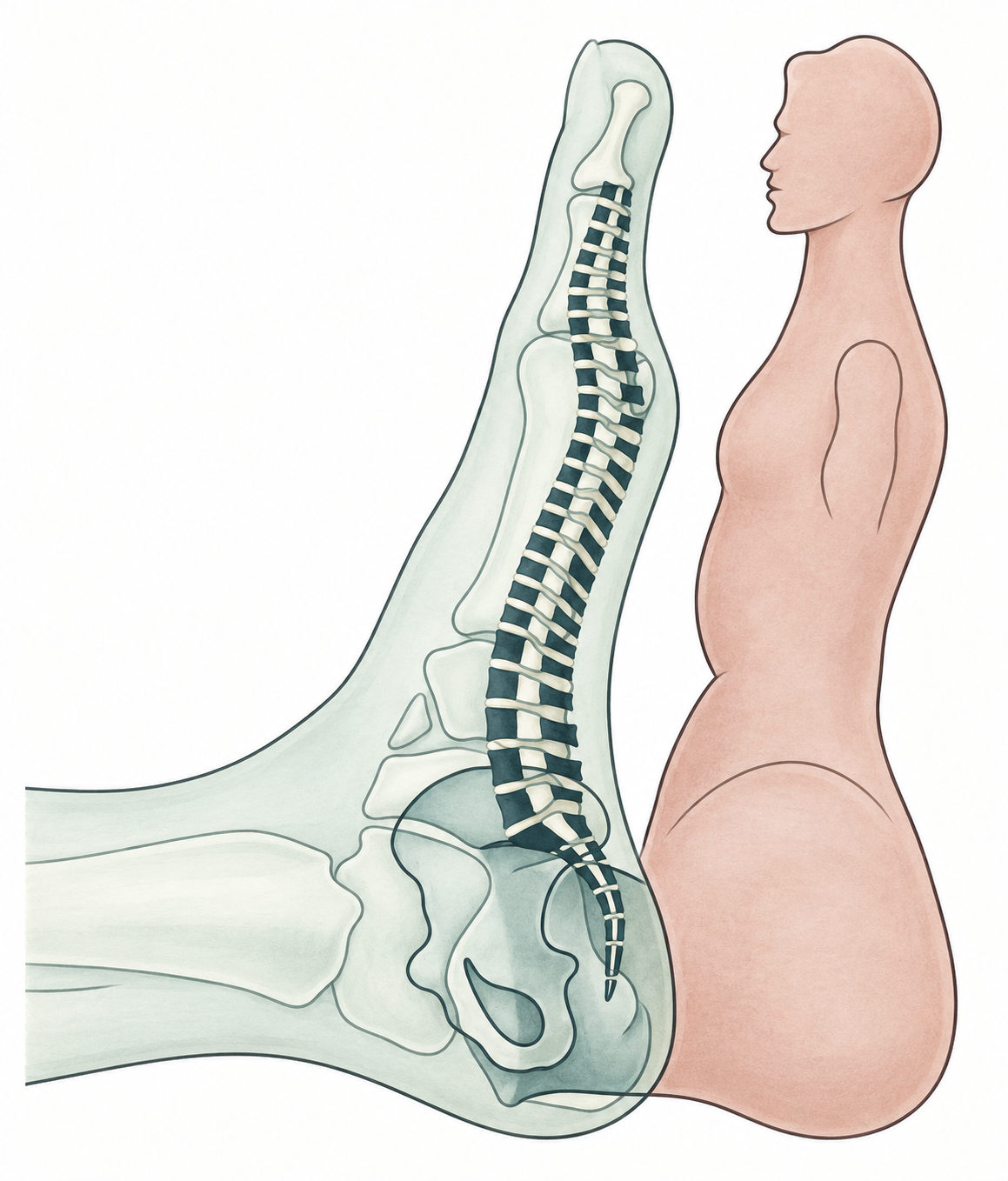
- Hanne Marquardt’s work on similarities of form.
Why it matters in your practice
Consider familiar relationships between the feet and the rest of the body from a fresh visual perspective. We ask what similarities of form can contribute to reflexology, and which connections remain open questions.
Part of the Energy Anatomy series. You can follow this webinar independently.
Explore the full seriesMore from Energy Anatomy
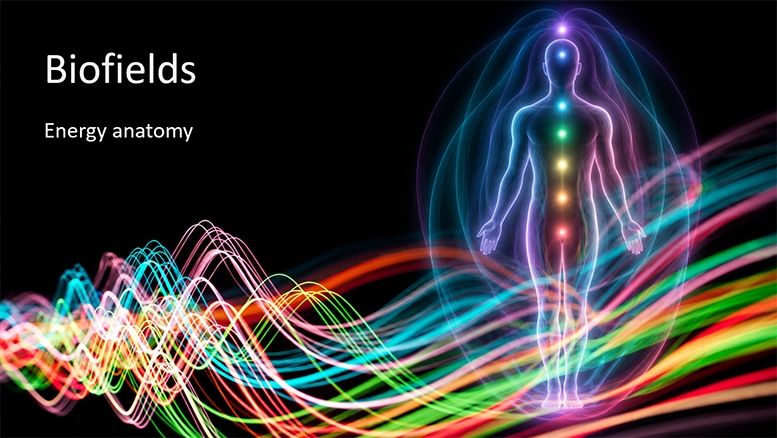
Biofields
How does the body communicate beyond its chemistry?
A closer look
Electrical activity, magnetic fields and faint light emissions offer different windows onto the living body. What can measurements of these phenomena tell us?
Peter brings research on biological fields into conversation with traditional energy maps. We look at how measurements and images are made, what they show, and where interpretation begins.
What we will investigate
- The measurable body: electrical activity, magnetism and light.
- Bioelectric signalling and biological organisation.
- Auras, subtle fields and traditional maps.
- Can we photograph a biofield?
Why it matters in your practice
Build a broader framework for thinking about touch and communication. Develop clearer language for discussing biological fields and proposed subtle influences with clients.
Part of the Energy Anatomy series. You can follow this webinar independently.
Explore the full seriesMore from Energy Anatomy
Consciousness
Awareness, intention and the therapeutic encounter.
A closer look
What do we mean by consciousness? Does the brain generate our experience, or could our awareness connect us to something wider?
The final episode brings scientific research and philosophical perspectives together. We consider mind–body relationships, the possibility of shared consciousness, and the boundary between observation and interpretation.
What we will investigate
- What do we mean by consciousness?
- The brain and conscious experience.
- Mind–body relationships and awareness beyond the individual.
- Attention, expectation and the therapist’s presence.
- Bringing the five Energy Anatomy themes together.
Why it matters in your practice
Through examples and simple experiential exercises, reflect on how you listen to clients, understand their experiences and bring your attention to a session.
Part of the Energy Anatomy series. You can follow this webinar independently.
Explore the full series